
(Brian Cooke/Redferns/Getty Images)
(Brian Cooke/Redferns/Getty Images)


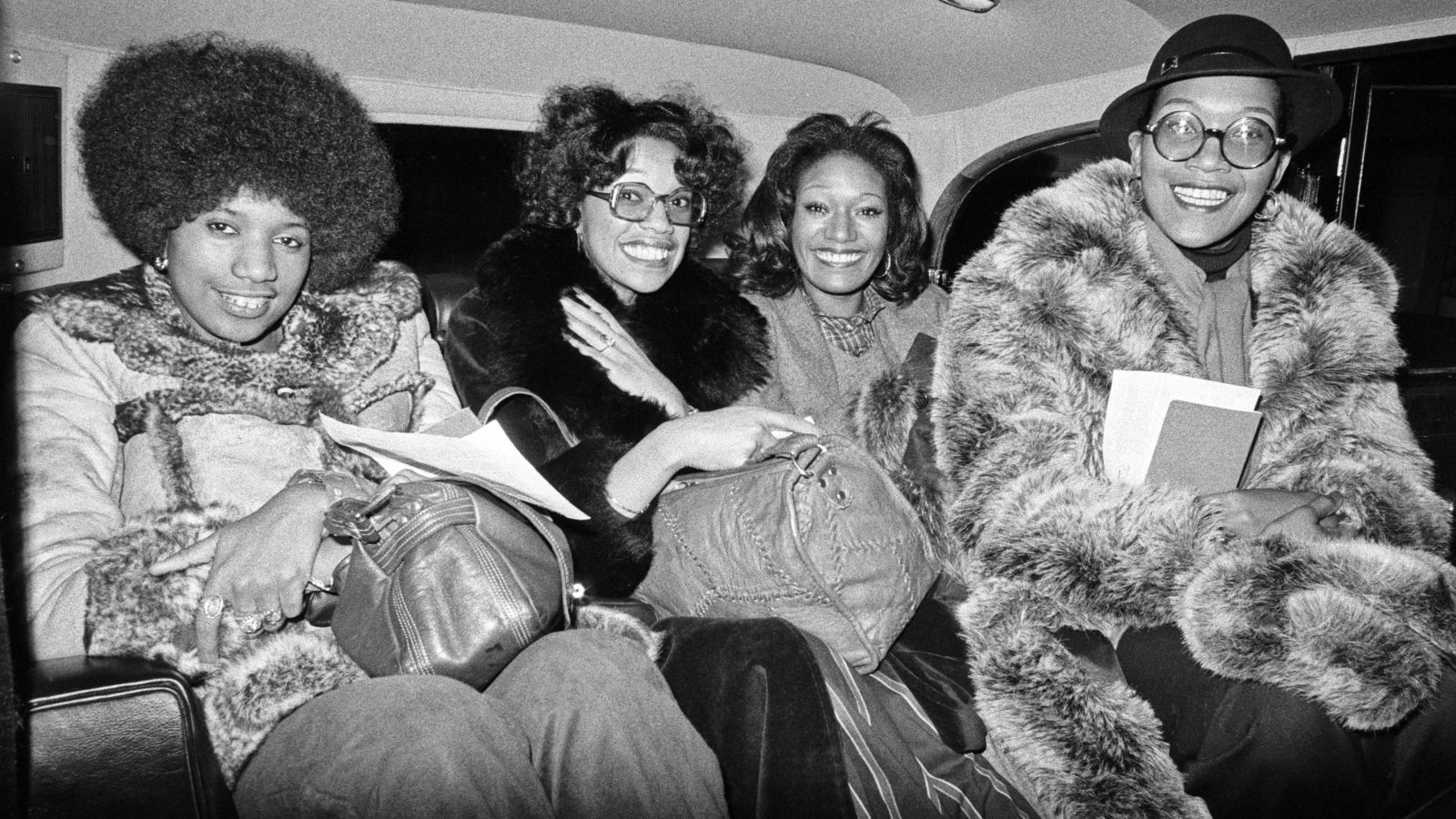
Sobering news: 64 percent of more than 500 epidemiologists interviewed by the NY TIMES say they doubt they'll be willing to go to a concert (or sporting event or play) for at least another year. One percent said never again. The remaining 35 percent may not have much of a choice: The poll arrived Monday morning, as news was breaking that AEG, following a similar action by LIVE NATION in April, will implement a round of layoffs, furloughs and salary cuts on July 1, reflecting the company's belief that "live events with fans will not resume for many months and likely not until sometime in 2021." "Live events with fans" is not a phrase that existed in the general lexicon before this year. Would you have understood the message behind it four months ago? Would you have been able to imagine live events without fans? Here and here are accountings of the live music that’s been lost in 2020: COACHELLA, the NEW ORLEANS JAZZ & HERITAGE FESTIVAL, READING and LEEDS, MONTREUX JAZZ, LIFE IS BEAUTIFUL, RAGE AGAINST THE MACHINE's first tour in a decade, BILLIE EILISH, TAYLOR SWIFT, BTS, countless club tours and theater tours and, well, basically everything else. An incalculably massive loss, economically, emotionally, artistically. Around the world, there are pockets of live music optimism: In Spain. Down Under. Elsewhere. In the US, even in a music-industry-friendly state like California, movie theaters have been given the go-ahead to reopen (with heavy restrictions) but concerts remain a no-go. And even if state and local governments said OK, who'd show up? Who'd buy tickets? It's easy to look outside at the protest marches around the US and around the world and wonder, if people are willing to congregate for that, why won't they congregate for this? But they're very, very different events. Protesters are making a conscious decision, weighing their anger, their need to be heard and their desire for societal change against the risks of being exposed to a potentially deadly virus. And they're wearing masks. No matter how badly you want to see DOJA CAT or FAITH NO MORE or PHISH live in 2020, what's the cost-benefit analysis of that? You can watch online. You can listen to the records. You can wait a year. Right?... From the other side of the room, here's a sobering view of the calculations artists might be going through in a moment when "artists are learning how it feels to be a songwriter"—songwriter meaning, in this case, that you don't have any live income, you can't sell merch and as a result the the money you're getting from streaming services might not be enough anymore. An interesting perspective on the economics of performers vs. songwriters, and both of them vs. the business... Yes... BONNIE POINTER, who died Monday, formed the POINTER SISTERS with her real-life siblings JUNE and ANITA in 1969 and was a key driver of the group's eclectic early days, when they were mixing R&B, jazz, throwback vocal harmonies and country (they won the GRAMMY for Best Country Vocal Performance in 1975 for this Bonnie and Anita co-write). She was also the radical one: educated at Mills College, wrote poetry with ANGELA DAVIS, joined the BLACK PANTHERS, dated Panthers co-founder HUEY NEWTON. An apt voice for a song like "YES WE CAN CAN." "Wild, fierce, and not to be denied," according to older sister Ruth. She left in the late '70s for a solo career with MOTOWN before June, Anita and latecomer Ruth became pop superstars. But she was the only Pointer with solo hits, including this disco gem (hey streaming universe, you're missing almost her entire catalog; please fix) and she lived a hell of an adventure... RIP also KAY CARROLL.